
Hello 👋
This week as Hothouse shifts to focus on marketing, I want to report on my own business, because I practice what I preach.
I have spent the past two years applying the same sustained, deliberate pressure to my own business that I ask you to apply to yours - designing, declaring, delivering, observing the evidence, discarding what does not hold up, pressing forward with what does. It has been, at times, deeply frustrating, and I have just had to trust that the process would ultimately deliver distinct positioning.
The gap between the business you have and the business you want has a way of making itself felt, even when you would rather not look at it.
But I can see it clearly now. The architecture of Recipe for a Room - the philosophy, the framework, the why behind all of it - is sharp enough to name, defend, and build from. It feels like a pivotal moment.
This week I write about it properly - an honest account of what I have been building and what can be learned from it, for you as much as for me.
The timing is not coincidental: we're running headlong into Marketing and Brand Expression month, and fresh off last week's anti-identikit manifesto.
It seems like exactly the right moment to pin my own colours to the mast.
1. This Week's Blog - Allow Me to Reintroduce Myself
Two years in the making. One brand, finally in focus.
This month we turn to look at brand expression, and in this week's blog I share how I extracted my business's brand expression: through iteration, rejection, measurement, and the same moderate, consistent pressure I encourage in you.
The gap between the business you have and the business you want. Between the founder you are and the founder you want to be. That gap is where I work.
I write about Design, Declare, Deliver as a lived methodology - not a tagline but a practice I have run on myself. I explain the Tier framework, and why having a precise map of where you are and where you are headed changes everything. And I make the case that clarity is not something you hope will arrive. It is something you build, under pressure, over time.
2. March Marketing - Know Your Tier
Before you can market your business well, you need to know where you are.
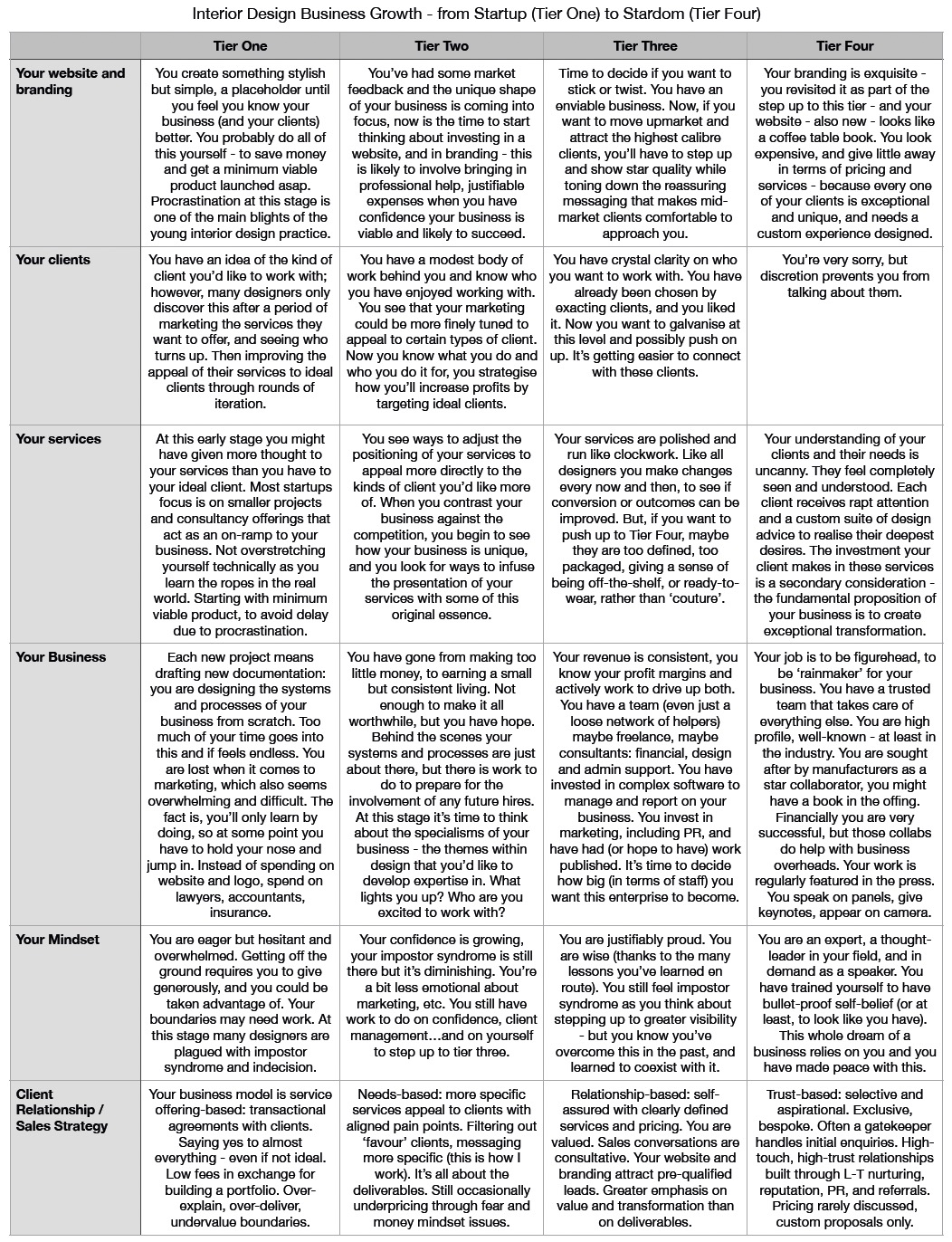
One of the most consistent mistakes I see interior designers make with their marketing is not laziness, and not lack of creativity. It is a mismatch between strategy and stage. For example, applying Tier Three thinking to a Tier Two business, or Tier Four aesthetics to a practice that has not yet done the foundational work that makes those aesthetics credible - that builds necessary trust.
The Tier framework I teach, maps interior design business maturity across four stages: from startup (Tier One) through growing pains (Tier Two) and into maturity (Tier Three) and, for those who choose to pursue it, stardom (Tier Four). Each tier has a distinct profile: different clients, different services, different systems, a different mindset, and - critically - a different marketing logic.
At Tier One, your marketing job is to be found and to build trust.
At Tier Two, it is to become more specific - to signal clearly who you work with and how, and to begin filtering out the clients who are wrong for you.
At Tier Three, your marketing should be attracting pre-qualified enquiries almost automatically, because your positioning has done the heavy lifting.
At Tier Four, you aren't really marketing at all in the conventional sense: you are maintaining a reputation.
The mistake of marketing above your tier is understandable. The branding of a Tier Four practice looks beautiful, sounds authoritative, and is enormously appealing. But applied to a Tier Two business, it creates a dissonance that sophisticated clients feel immediately, and it often suppresses the approachability that actually converts enquiries at an early stage. It's lose/lose.
The mistake of marketing below your tier is equally costly, and less often discussed. A Tier Three designer who is still presenting herself as eager, accessible, and reassuringly affordable is actively undermining the authority she has spent years building.
This month's first Hothouse webinar is built around this exact territory. I will be sharing my observations on interior design marketing as I have watched it practised across all four tiers: what works, what undermines, and what the right approach looks like at each stage. If you have ever felt that your marketing efforts are not producing results proportionate to the effort you are putting in, it is worth asking: does my strategy fit my stage?
Know your tier. Market accordingly. The webinar details are below.
3. Coming Up in Hothouse - Two Webinars You Won't Want To Miss
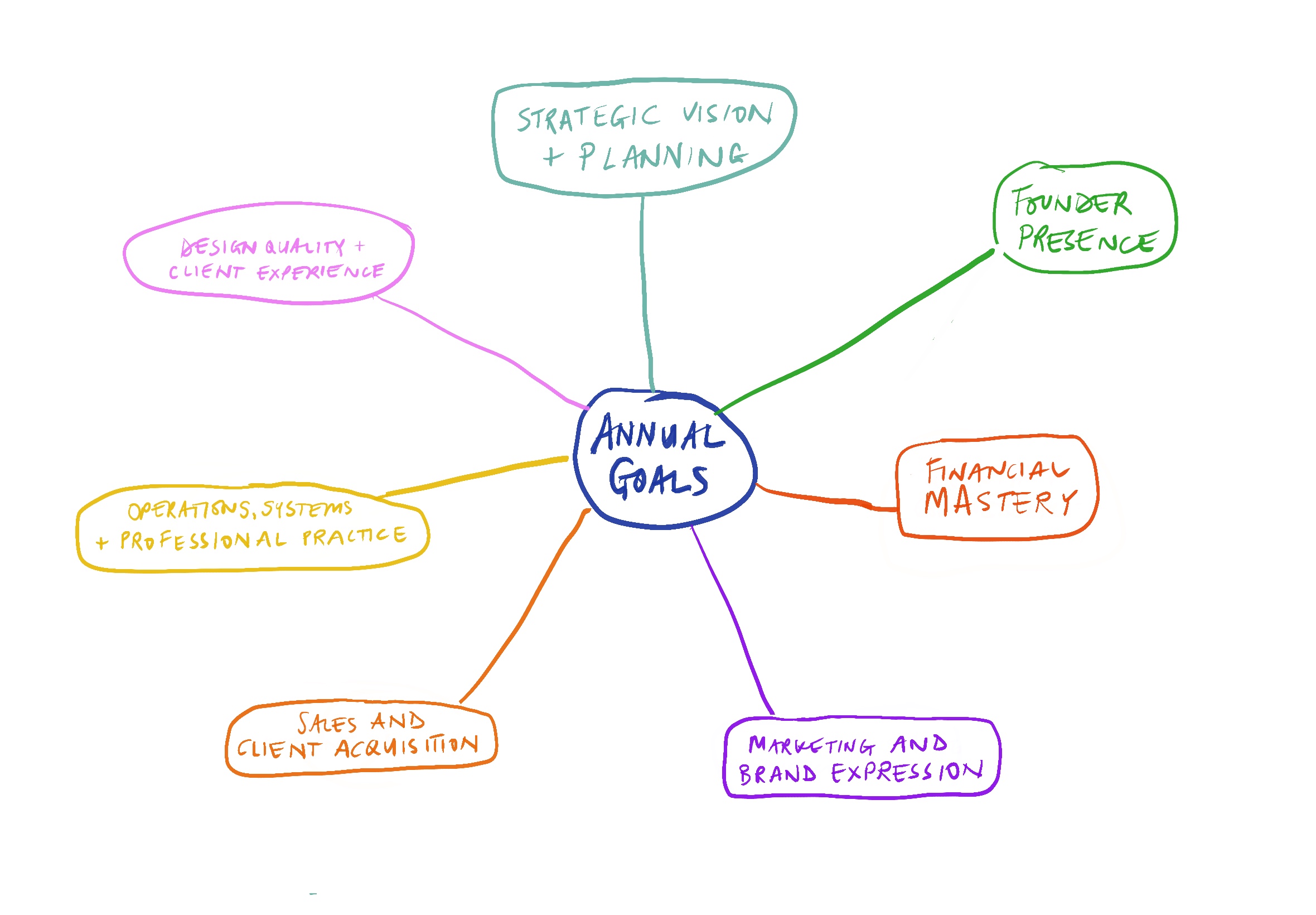
This year in Hothouse, we're working through the Seven Pillars of Design Entrepreneurship 👆.
March is Marketing and Brand Expression month, and Hothouse is rising to the occasion with two live online sessions this month - each approaching the territory from a distinct angle.
🗓️ Webinar One: Markeing for Interior Designers - My Observations
I'll be leading the first webinar on Wednesday 11 March at 10am. As mentioned in the 'Tiers' piece above, we'll be talking about the marketing strategies that are right for your stage of business.
I'll also share notes on interior design marketing as I see it practised in the wild: what distinguishes the designers who build momentum from those who spin their wheels; how the right approach shifts decisively at each tier; and what the antidote to identikit actually looks like in practice, not in theory.
This is not a generic marketing masterclass. It is a practitioner's field notes, specific to this profession and this audience.
🗓️ Webinar Two: Instagram for Interior Designers - With Milla Richardson, Pink Storm Social.
For the second session on Wednesday 25th March at 10am, I am delighted to welcome Camilla (Milla) Richardson of Pink Storm Social as my guest. Milla is an Instagram coach with 25 years of marketing experience and over 3,000 businesses trained on the platform, and she brings something rare: deep practical expertise in what actually works on Instagram.
Milla's specialism is helping business owners cut through the overwhelm and manage the platform with genuine confidence: knowing where to focus, what to deprioritise, and how to see real results rather than just accumulate effort.
All webinar links are in Hothouse, under the Events tab - join Hothouse!
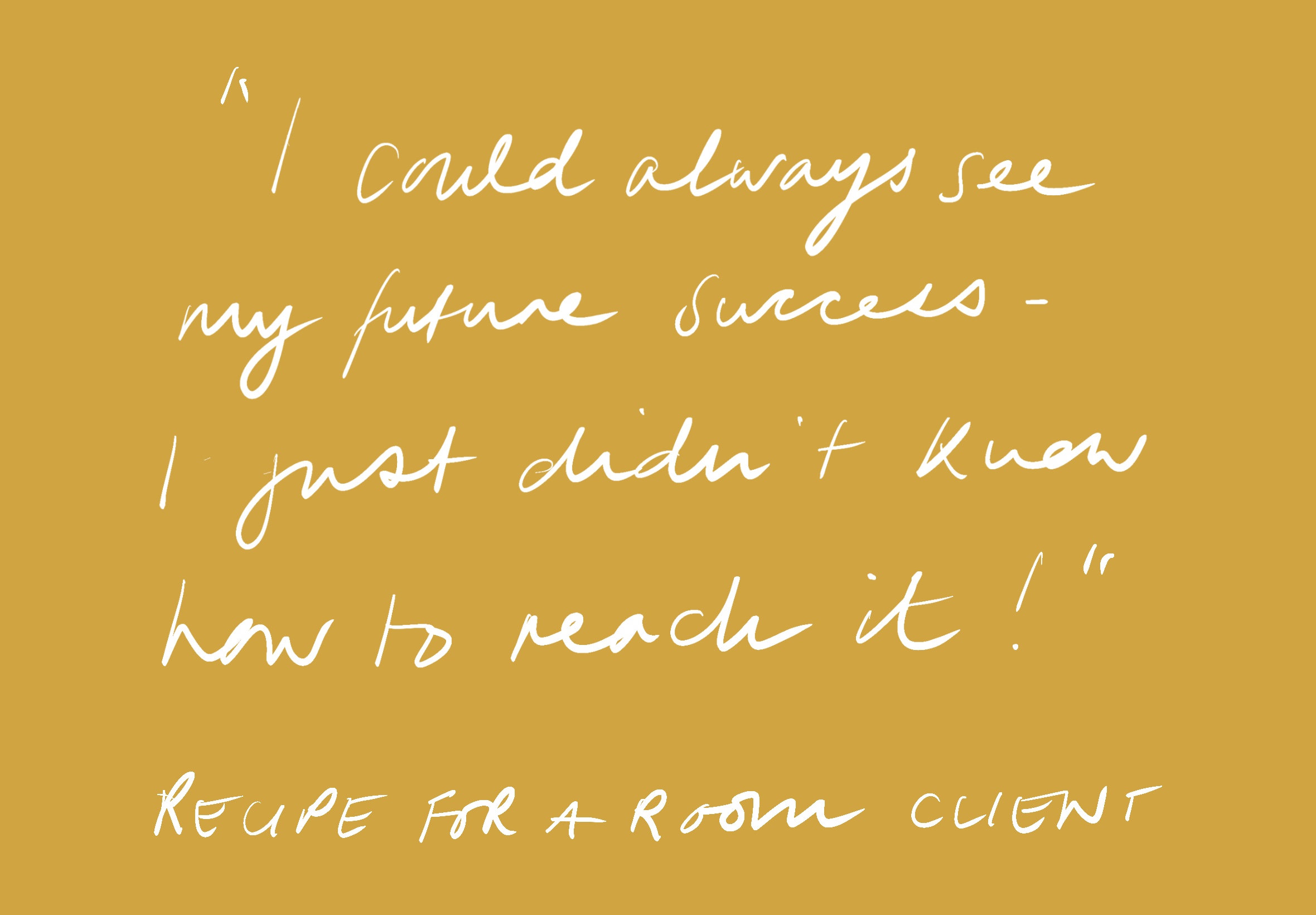
4. BOOTCAMP - You Can Already See Your Future Success
The question is: Can you afford not to find the route?
The designers who come to Bootcamp are not failing. They are busy, talented, sometimes already successful by conventional measures. What they share is a particular frustration: the gap between where they are and where they know they could be. They can see it - they just cannot find the route across it.
Bootcamp exists to give you the map.
What designers say
"If you can find the time and cash flow to invest, it's a no brainer. The time spent with Julia is a worthwhile investment in not only the business, but in you personally - which is deeply satisfying. Because although I haven't yet got the jobs I want, I'm working towards it, and that clarity is motivation in itself."
Danielle Kudmany, Liate Design
"The Recipe for Success Bootcamp brought sharper financial awareness and structural discipline at a pivotal moment. The impact has been tangible: stronger profitability, clearer positioning, more decisive communication, and a greater sense of composure within the studio. I feel less reactive, more deliberate."
Leila Rossi, Leila Rossi Interior Design
"Julia works alongside you and supports you fully, but she won't do it for you - you have to show up and do the work. If you do, she will help you get where you want to go."
Charlotte Stuart, Charlotte Stuart Interiors
"There is no fluff, just thoughtful guidance and clear thinking. Julia brings steadiness, honesty and depth to her work. I have already recommended her to another designer and would not hesitate to do so again."
Kate Lovejoy, Kate Lovejoy Interiors
Better Book Bootcamp! - it only runs once each year - 20 April until 22 May, 2026.
5. My Week in Hothouse
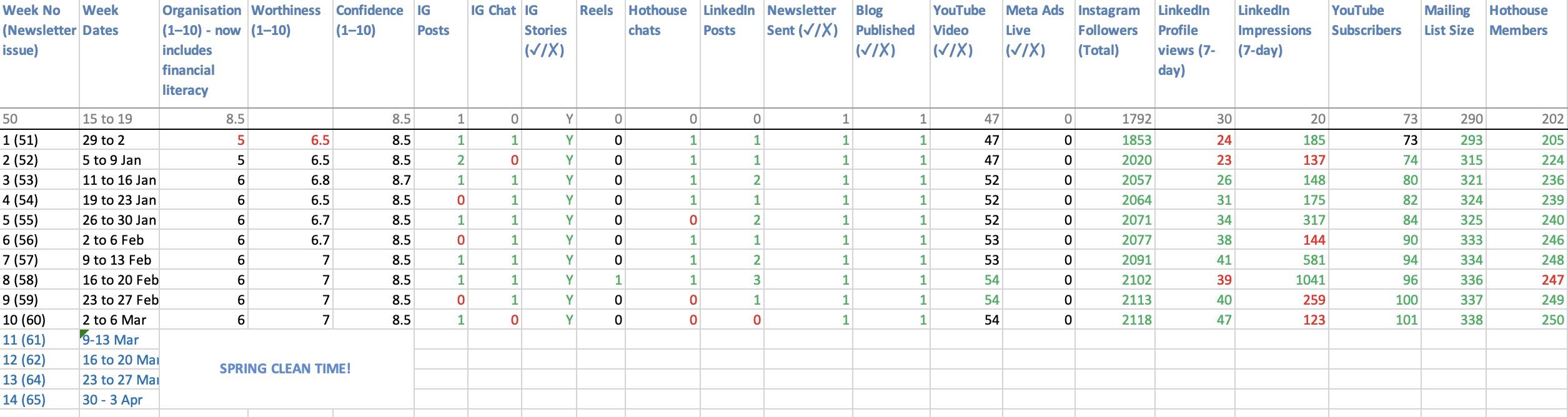
We're into the final month of Q1, my performance is slipping, my data sheet is getting redder and redder - it has been a busy time personally, and with logistical issues around flight cancellations. No time like the present for a SPRING CLEAN! Want to join in?
March is Marketing and Brand Expression month in Hothouse, so I have cooked up a new social media initiative and I'll launch it next week: a new, easier way of showing up. I'm going to make a concentrated, sustained push across my platforms.
👉 I am setting myself a public goal, here, in writing: by issue 65 on 5th April, I want to see those numbers turned around.
One other thing worth sharing this week, because I have been asked about it more than almost anything else recently: I have switched from ChatGPT to Claude, Anthropic's AI, as my primary working tool. The concern I kept hearing - and worried about, myself - was that rebuilding a productive AI collaboration from scratch would take months. All that accumulated context, gone.
Not at all. I had Claude read my website, work through my core business documents, examine my Instagram and, while bedding in, I've been writing longer, more considered prompts than I did with ChatGPT, giving genuine context rather than firing off quick queries. The difference in output quality has been, frankly, startling. I have barely opened ChatGPT since, only using it for occasional image generation.
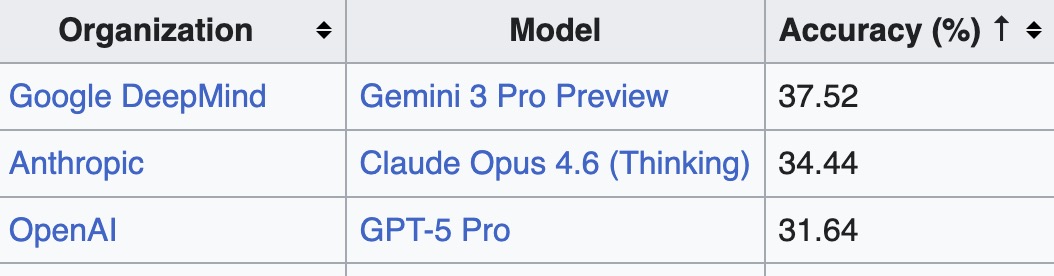
For those who want a data point: Claude currently outperforms ChatGPT by approximately 10% on Humanity's Last Exam (see above), which is one of the more rigorous AI benchmarks currently in use. In practice, for the kind of strategic, nuanced, context-heavy work I use AI for in this business, it feels like more than that. It feels wiser, more powerful, more sophisticated.
If you have been hesitating to make the switch, or assuming the transition cost is too high - in my experience, it hasn't been.
6. Final Thought
There is a particular kind of designer who comes to me not because they have failed, but because they have a hunch.
A sense that there is something more coherent inside their business than they have yet managed to surface. A suspicion that the gap between where they are and where they know they could be is not about talent - it is about clarity, structure, and the discipline to build towards something specific.
They are always right.
The hunch is the thing worth paying attention to. Not the doubt that accompanies it, not the discomfort of not yet having the language for it: the hunch itself. It is the signal that something real is there, waiting to be extracted.
I have spent two years sitting with my own version of it. This week, I am telling you what came out the other side.
The work is always worth doing. On your business. On yourself.
That is what we are here for.
I hope to see you in next week's webinar - let's finish Q1 strong,
Julia
Founder - Hothouse

Responses